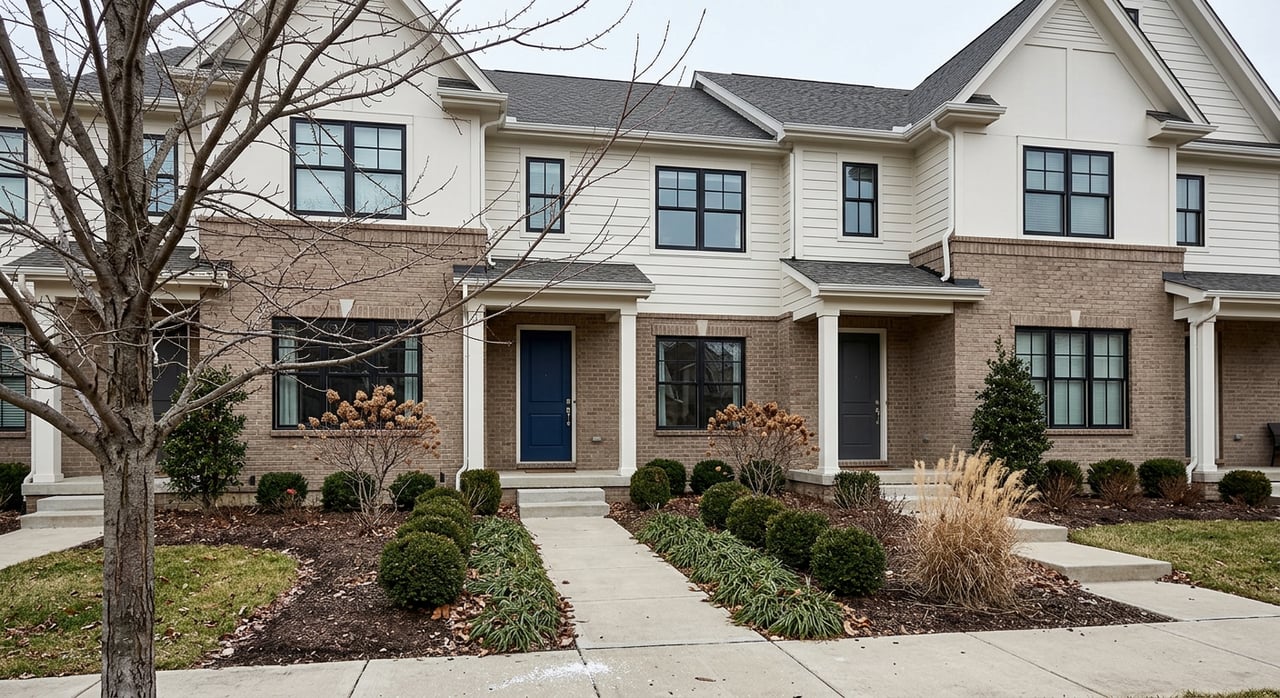
Looking for a simpler, lower‑maintenance way to live in Green Hills without jumping to a million‑dollar price point? If you are right‑sizing or you want a lock‑and‑leave home close to shopping and dining, attached options in 37215 can be a smart fit. In this guide, you will learn what townhomes and condos cost, what you typically get, how HOAs work, what lenders look for, and how property taxes affect your monthly budget. Let’s dive in.
Why Green Hills fits attached living
Green Hills sits just south of downtown Nashville with a strong retail core, including The Mall at Green Hills, grocery choices, and restaurants. Many condo and townhome communities cluster near these hubs, which makes daily life convenient for busy professionals and downsizers. You can get a clear feel for the area’s amenities from the Green Hills neighborhood snapshot.
The market serves a wide range of buyers. ZIP 37215 shows a median age in the mid‑40s and higher‑than‑average household incomes, which often aligns with demand for move‑in‑ready, low‑maintenance homes near services and medical providers. See the data profile for 37215 on Census Reporter.
What you can buy and what it costs
Condominiums are usually the lowest entry point in Green Hills. One‑bedroom flats often start in the low to mid‑$200,000s, with larger or renovated 1–2 bedroom units running through the $300,000s and sometimes into the low $400,000s depending on size and finishes. Townhomes usually price higher than small flats, with many listings in the low‑$300,000s up to the $300,000–$450,000 range, and select boutique options reaching higher. These ranges reflect recent neighborhood snapshots and can shift with inventory and interest rates.
For context, single‑family homes in Green Hills commonly trade far higher, with neighborhood medians near or above $900,000 to $1 million. That price gap is a primary reason buyers choose condos or townhomes to secure a Green Hills address.
Active inventory typically includes dozens of attached units. Days on market often land in the 30–50 day band, though the tempo varies by price and season. If you need a specific floor plan or location, plan to watch the market closely.
Unit types and amenities
You will see three main product types in Green Hills:
- Low‑rise mid‑century flats. These often sit in walkable pockets near Hillsboro Pike and provide the most affordable entries into the neighborhood.
- Garden and townhouse‑style condos. Two to three stories with private entries and more space for daily living.
- Boutique and higher‑end developments. Smaller buildings or luxury conversions with elevated finishes and, at times, higher HOA and maintenance costs.
Common amenities include on‑site pools, fitness or clubhouse rooms, assigned parking, and shared green space. Many communities cover exterior maintenance and grounds care, which is a key reason attached living feels easy.
The tradeoffs to weigh
Pros that draw buyers to Green Hills condos and townhomes:
- Lower exterior maintenance and a simpler upkeep routine.
- Proximity to shopping, dining, and services that support a busy lifestyle.
- Predictable amenities like pools or fitness rooms in many communities.
Cons to evaluate before you buy:
- Monthly HOA dues that add to carrying costs.
- Rules on renovations, pets, guest parking, or leasing.
- Less private outdoor space and possible storage or parking limits.
- Potential for special assessments when communities face capital projects. Community association guidance explains how reserves and assessments work across HOAs. Review the background from the Community Associations Institute on reserve planning and association practices.
How HOAs work here
Request the full HOA document set early in your escrow. Ask for the recorded declaration and bylaws, rules and regulations, the current operating budget, recent financials and reserve statements, the reserve study, owner‑delinquency reports, any special assessments, board minutes for the past 12–24 months, vendor contracts, and any litigation disclosures. These are standard review items recommended by community‑association resources.
Understand what your dues cover. In many Green Hills communities, HOA fees pay for exterior maintenance, landscaping, master insurance for common areas, trash or some utilities, and amenity upkeep. Dues vary by complex and unit size. Larger or higher‑finish projects can carry higher monthly costs, so compare line items and services closely.
Watch reserves and red flags. Underfunded reserves, frequent special assessments, high owner‑delinquency rates, or active litigation can affect both your costs and your loan options. Fannie Mae flags several of these issues as project‑level risks. You can review examples of ineligible project characteristics to understand what lenders try to avoid.
Plan for timing and fees. Associations often charge to prepare resale or estoppel packets. Delivery can take 10–14 business days or longer, which can push closing timelines. See why document timing often drives escrow schedules in this overview of closing timelines and document readiness.
Financing and insurance basics
Most condo loans rely on Fannie Mae and Freddie Mac standards. Lenders check Fannie Mae’s Condo Project Manager to confirm whether a building meets agency criteria for conventional financing. Ask your lender to verify the project status in Condo Project Manager early in the process.
If you plan to use FHA or VA, confirm whether the project is approved. FHA allows single‑unit (spot) approvals in some cases, but documentation is strict and not all buildings qualify. Your lender can walk you through HUD’s condo‑approval process and documentation requirements, including HUD‑9991 and HUD‑9992. Learn more on HUD’s forms and guidance page.
Lender checklist items often include the HOA budget, reserve statements, owner‑delinquency reports, insurance declarations, and any litigation disclosures. If any of these are weak, you may need a larger down payment or a portfolio loan. Review Fannie Mae’s summary of ineligible project characteristics to understand how reserves, delinquencies, and litigation can affect loan approvals.
On insurance, condo associations carry a master policy for common elements. You will need an HO‑6 (walls‑in) policy for your interior finishes, contents, loss of use, and, ideally, loss‑assessment coverage. Make sure your agent reviews the master policy’s limits and deductibles so your HO‑6 fills the gaps. Fannie Mae’s guidance underscores how adequate master coverage factors into project eligibility. See the full‑review overview in Fannie Mae’s project review process.
Taxes and carrying‑cost modeling in Davidson County
Model your monthly cost using price, HOA dues, property tax, insurance, and utilities. Davidson County completed a countywide reappraisal with notices mailed on April 18, 2025. Many owners saw higher assessed values even as the certified rate adjusted, so use current assessor data when you budget. Review the Metro Assessor’s 2025 reappraisal notice and confirm any local exemptions that may apply to you.
Who townhomes and condos fit best
Busy professionals often value a predictable, low‑maintenance setup that saves time. Living near restaurants, retail, and services can reduce errands and simplify weekday routines. If you work in or near central Nashville, a shorter commute is another plus.
Downsizers appreciate smaller footprints, shared maintenance, and easy amenity access. If you travel often or split time between homes, lock‑and‑leave convenience is hard to beat. Make sure to weigh storage needs and verify the community’s capital plans so you understand long‑term costs.
Your next steps checklist
- Ask for the complete HOA resale or estoppel packet on day one of escrow, and confirm who pays the prep fee.
- Have your lender check Fannie Mae’s Condo Project Manager and HUD’s condo‑approval pathway if you need FHA or VA financing. Start this before you waive any contingencies. Review HUD’s forms and guidance.
- Read the HOA budget, reserve study, 12–24 months of board minutes, and all disclosures. Pay close attention to reserves, delinquencies, and litigation. Use CAI’s summary on reserve practices for context.
- Confirm the master insurance policy’s limits and deductibles, then size your HO‑6 (walls‑in) policy and loss‑assessment coverage. Fannie Mae’s project review guidance shows why this matters for loan eligibility.
- Model carrying costs with updated assessor values. Start with the Metro Assessor’s 2025 reappraisal notice, then run best‑ and worst‑case scenarios for taxes, dues, and insurance.
- Build time into your contract for HOA document delivery. Estoppel and resale packets often take 10–14 business days, and delays are common. See an overview of closing timeline drivers.
Final thoughts and a local resource
Townhome and condo living in Green Hills gives you a central location, a lower‑maintenance lifestyle, and a more efficient path into a premium ZIP code. With clear eyes on HOA health, financing rules, and taxes, you can buy confidently and enjoy the neighborhood’s convenience.
If you want tailored guidance on specific buildings, floor plans, and HOA documents, connect with a seasoned local broker who knows Green Hills inside and out. Schedule a free consultation with Barbara Keith Payne to map the right options for your goals and timeline.
FAQs
What are typical HOA fees for Green Hills condos and townhomes?
- Dues vary by community and unit size, often covering exterior maintenance, landscaping, master insurance, and amenities. Plan your budget using the HOA’s current budget and fee schedule.
How do special assessments work in condo associations?
- When reserves are not enough for major repairs, the board may levy a one‑time or phased assessment on owners. Review reserve studies, recent board minutes, and disclosures to gauge risk.
Can you use FHA or VA financing on a Green Hills condo?
- Sometimes. Many projects are not pre‑approved, but FHA allows single‑unit approvals in certain cases. Ask your lender to check the project’s status early and confirm documentation requirements.
What insurance do you need for a condo purchase in Davidson County?
- The association’s master policy covers common elements. You will need an HO‑6 policy for interior finishes, contents, loss of use, and loss‑assessment coverage to fill gaps and meet lender standards.
How do Green Hills condo prices compare to single‑family homes?
- Condos and townhomes often start in the low‑ to mid‑$200,000s for smaller flats and climb into the $300,000s and above, while many single‑family homes in Green Hills trade near or above $900,000 to $1 million.