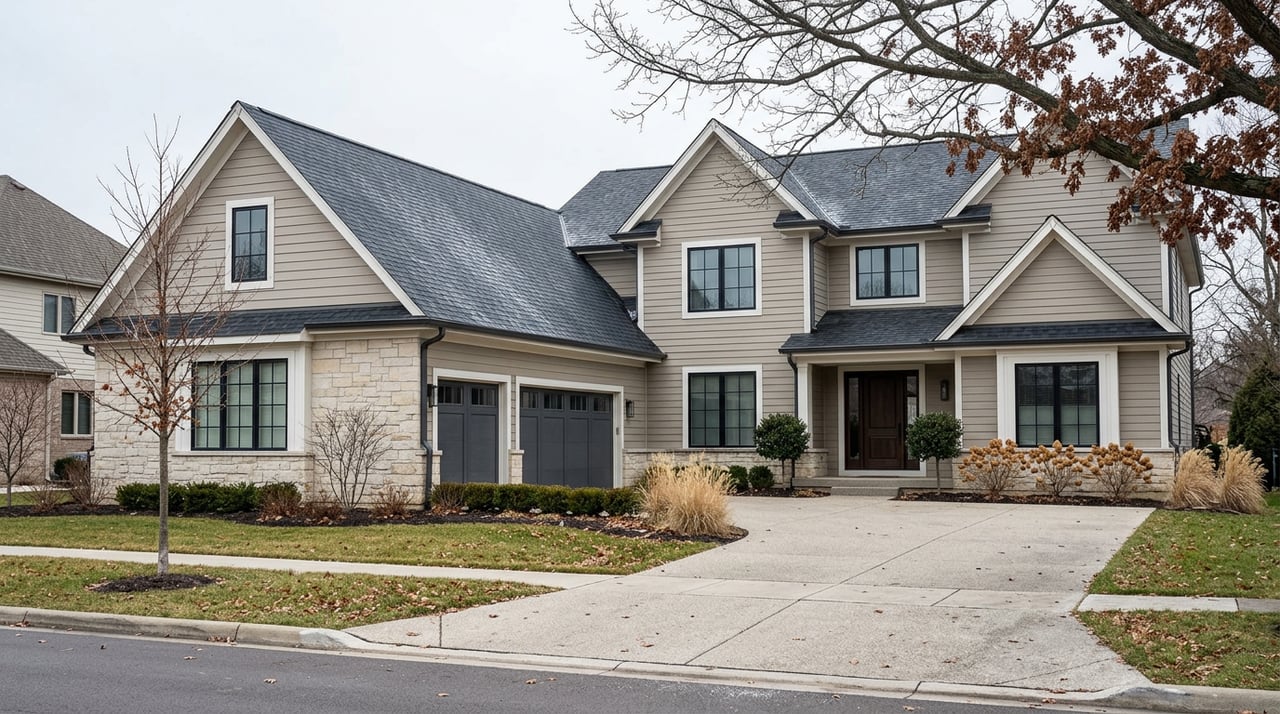
Pricing a Brentwood luxury home is not about guessing high and hoping for the best. It is a data-backed exercise that weighs your lot, privacy, finishes and competition against what qualified buyers are willing to pay right now. If you want confidence, you need a clear read on today’s market and a disciplined process. In this guide, you will see the current pricing signals, what drives value in Brentwood’s top pockets, and a step-by-step way to set a list price that protects your net. Let’s dive in.
Where the Brentwood market sits today
Brentwood’s city-level pricing sits well above the county at large. The Zillow Home Value Index places the typical Brentwood home value near $1.37M, with homes moving to pending in about 68 days according to Zillow’s Brentwood snapshot. Listing medians run higher because they reflect what sellers ask rather than sold prices; Realtor.com’s Brentwood view shows a median for-sale price near $1.74M. Those two sources use different methods, which is why many high-end Brentwood listings cluster in the $1.2M to $1.8M range and up, depending on the micro-neighborhood and amenities.
For contrast, Williamson County’s broader market looks very different. The county’s December 2025 snapshot reports a median sales price around $414K and a list-to-sale ratio near 90.6% in the countywide report. That gap highlights how Brentwood luxury sits in a premium tier that requires hyper-local pricing.
The macro backdrop also matters. Regional reporting notes Greater Nashville has shifted from a hot market toward a more balanced one heading into 2026, giving buyers a bit more negotiating power than in prior years as covered in Axios Nashville. In a balanced market, accurate pricing and strong presentation do more to drive results than trying to test the top of the range.
What drives luxury value in Brentwood
Micro-markets matter
Brentwood’s luxury pricing is neighborhood specific. Pockets like Belle Rive, Brentwood Country Club, and nearby golf-course enclaves feature estate lots, custom builds, and club amenities that support higher prices. You can see how lot size, course frontage, and community amenities vary across these areas in this overview of Brentwood neighborhoods. Within the same square footage, a home on a larger, more private lot or with a premium orientation can command a notably different figure.
Features buyers pay for
High-end buyers tend to prioritize a short list of items:
- Usable acreage and backyard privacy with mature trees
- Course frontage, views and outdoor living spaces like pool, terrace and kitchen
- Updated kitchens and baths, floor plans with guest suites and flexible spaces
- Recent roof, HVAC and mechanicals, plus smart-home or whole-house generator systems
- Garage capacity and well-planned storage
- Neutral, well-maintained finishes that feel move-in ready
- School assignment as part of overall location fit; many buyers reference GreatSchools for Brentwood to inform their research
Quick examples to compare
Estate neighborhoods such as Belle Rive include 4,000 to 7,000+ square foot custom homes on larger lots, while golf-course communities emphasize frontage, views, and club access. These enclaves show multiple $2M-plus properties in recent cycles, which is why your home’s micro-market and lot setting are central to your price strategy. Use neighborhood pages like this Brentwood roundup to see how the same square footage can price differently based on land and amenities.
A step-by-step way to price with confidence
1) Define the local luxury tier
Luxury is measured relative to the local market. Industry benchmarks often define entry luxury as the top 10 percent of sales and high-end luxury as the top 5 percent. That percentile framework helps set a working threshold for Brentwood in the current quarter as explained by Coldwell Banker’s luxury benchmark.
2) Build a micro-CMA, not a generic one
Start with the three to six most similar closed sales from the past 6 to 12 months in your micro-neighborhood. If the property is very custom, widen the window to 12 to 24 months and include the areas buyers also consider. Study active, pending, and withdrawn or expired listings to understand your competition and buyer behavior per luxury pricing guidance.
3) Quantify the differences
Create a comp matrix with explicit dollar adjustments for square footage, usable lot acreage, age and condition, recent system upgrades, specialty spaces like a guest house, home theater or wine cellar, pool and outdoor kitchen, views and privacy, and any permitted additions. In Brentwood, acreage, privacy and school assignment can be some of the largest adjustments. A written adjustment summary keeps your price defensible for buyers, appraisers and agents as recommended in industry how-tos.
4) Choose a pricing strategy on purpose
You typically pick one of three approaches:
- Visibility pricing: launch just under common search thresholds to maximize traffic and urgency.
- Market-leader pricing: price to lead only if your home is clearly best in class and can prove it.
- Aspirational pricing: test a premium with a short, defined review timeline for feedback.
Pricing psychology differs by community and price band, so discuss round versus precise numbers with your agent using the same luxury guidance.
5) Prepare appraisal support
For bespoke homes, gather documentation to help the appraiser see value: a detailed comp package, construction and upgrade invoices, professional inspections, floor plans and surveys. In a county where the recent list-to-sale ratio landed near 90.6%, appraisals and negotiations often compress list premiums unless they are backed up well per the county report.
6) Track early feedback and act quickly
Monitor online impressions, showing counts and agent comments during the first two to three weeks. If showings lag, revisit price. If showings are strong but offers do not materialize, adjust marketing, terms or timing. Data-driven adjustments beat slow, serial reductions every time according to luxury pricing playbooks.
Price, time on market, and your net
Overpricing has real costs. In balanced conditions, high-end listings can sit for 90 to 180+ days when they chase an above-market number, then see larger reductions and reduced leverage when an offer comes in a common pattern noted in luxury market guides. Citywide, homes go pending around 68 days on average, but luxury can take longer, especially if pricing is not tightly supported.
Presentation can move the needle meaningfully. The National Association of Realtors reports that staging often reduces time on market and that many agents see a 1 to 10 percent increase in offered price when a home is staged well in NAR’s staging report. In luxury, premium photography, video, floor plans and a polished property website are standard components that help justify your ask.
Here is an illustrative scenario to frame decisions. If a $2.5M estate launches 5 to 8 percent above defensible comps, it may linger, prompting larger cuts and higher carrying costs. Pricing within 2 to 3 percent of market typically preserves urgency and negotiating power, especially when backed by top-tier presentation and a strong comp narrative consistent with luxury pricing guidance.
Your seller prep checklist
Get these items organized before your valuation meeting so you and your agent can price with precision.
Documents and data to gather
- Permits and completion certificates for major work like additions, pool, decks or septic changes; review baseline records from the Williamson County Property Assessor
- Dates and invoices for major upgrades: kitchen, roof, HVAC, electrical, automation, generator
- Recent utility statements, HOA or club documents, and annual dues schedules
- Existing survey and site plan, septic or utility reports, and any easements or conservation notes
- Prior appraisals or engineering reports, plus any MLS history if you previously listed
What a strong CMA deliverable includes
- Three to six anchor comparable sales with photos and adjustment notes
- A secondary set of wider-area comps for custom features, plus active, pending and withdrawn listings
- Per-square-foot analysis, separate land and lot-value insights, and a clear adjustment matrix
- A recommended list-price band with rationale, plus a defined first review date after launch
Marketing that justifies a premium
- Professional staging or targeted enhancements, guided by a staging consult
- Luxury-grade photography, twilight and aerials, cinematic video and accurate floor plans
- A dedicated property website or brochure that highlights land, systems and specialty spaces
- Private broker previews and targeted outreach to qualified luxury buyer agents
- Ongoing analytics and a written feedback loop after each week of showings
Ready to talk numbers?
If you want a confident list price backed by a micro-level CMA and premium marketing, connect with a veteran Brentwood advisor. With decades of local ties and a broker-led, concierge approach, Barbara Keith Payne can help you price, present and negotiate for the strongest net outcome.
FAQs
What counts as a luxury home in Brentwood?
- Industry practice defines luxury by local percentiles, often the top 10 percent for entry luxury and top 5 percent for high-end. In Brentwood, that typically places luxury in the $1.5M to $2M-plus range, but your quarter’s threshold should be set by a fresh CMA.
Should I price high and wait for the right buyer?
- Not usually. A data-backed launch price with a short review window protects momentum. Overpricing invites longer days on market, bigger reductions, appraisal gaps and lower net. Aspirational pricing can work for a truly unique property if paired with exceptional, targeted marketing and a clear timeline.
What preparation boosts luxury sale price the most?
- Presentation. Professional staging and luxury-grade marketing, backed by a defensible CMA, tend to shorten time on market and can increase offer amounts. Many agents report a 1 to 10 percent improvement in offers with staging.
How long do Brentwood luxury homes take to sell today?
- Citywide homes move to pending around two months on average, but high-end properties can take longer, especially if pricing is not tightly supported. In a balanced market, realistic pricing and premium presentation help you stay closer to your target timeline.