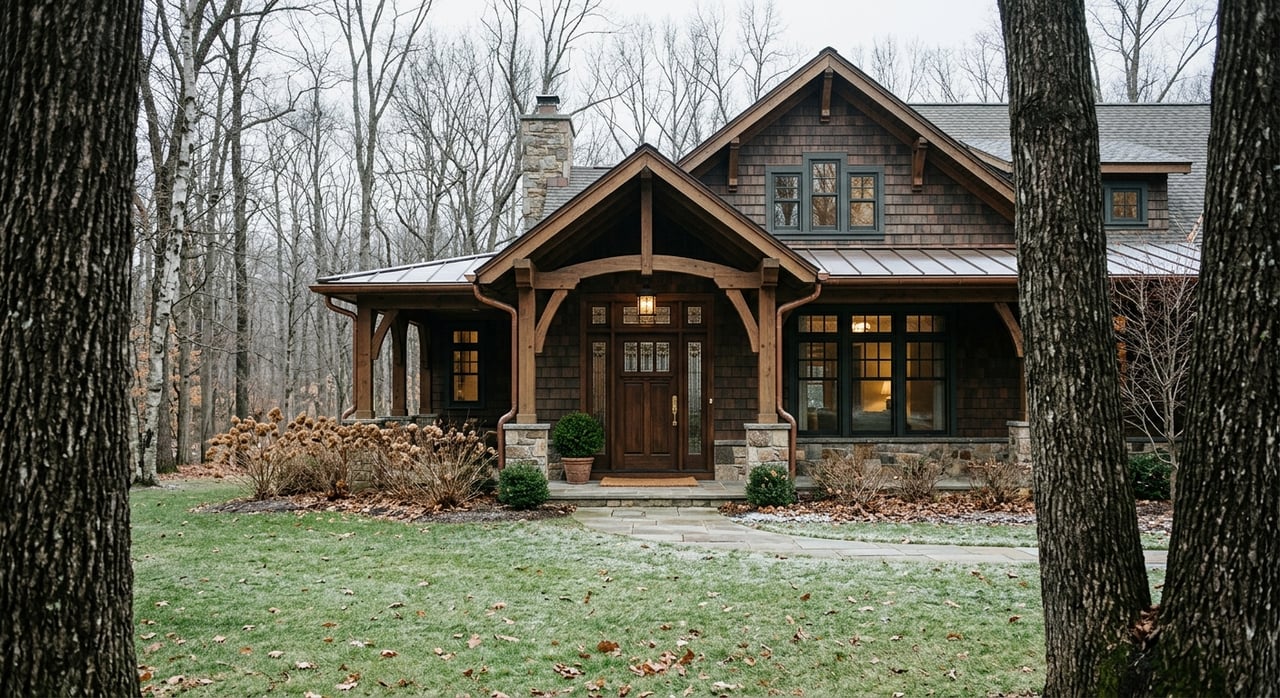
Looking for a place that feels tucked away without feeling cut off? Forest Hills offers a rare mix of natural beauty, larger residential lots, and practical access to the rest of Nashville. If you are exploring where to live in the Nashville area, this guide will help you understand what makes Forest Hills distinct and why so many buyers are drawn to its quiet, preserved setting. Let’s dive in.
What Makes Forest Hills Different
Forest Hills is not simply a neighborhood label. It is an incorporated city in Davidson County with its own government, zoning structure, and permit framework, a distinction noted by the Tennessee Comptroller. That matters when you are evaluating long-term character, future development, and how the area is managed over time.
The city describes itself as a place of rolling hills, and the available state and census-based data supports that low-density identity. With about 5,038 residents and roughly 9.22 square miles of land area, Forest Hills feels more spacious than many in-town locations in Nashville, according to the City of Forest Hills and Census Reporter.
For buyers, that often translates into a setting that feels private, established, and intentionally residential. For sellers, it helps explain why Forest Hills continues to stand out in conversations about premium south Nashville locations.
Why Forest Hills Feels Private
A big part of Forest Hills’ appeal comes from how the city is planned. The zoning ordinance explicitly describes Forest Hills as a residential community and limits commercial use to a historic commercial district intended to preserve older commercial properties, according to the city ordinance materials hosted by MTAS.
The lot standards are also notable. Estate-oriented zoning districts include minimum lot sizes ranging from 1.25 acres to 3 acres, along with one-acre neighborhood conservation districts. In practical terms, those standards support the larger-lot, lower-density feel many buyers are seeking when they want more separation, more greenery, and a more sheltered residential environment.
Forest Hills also uses a Hillside Protection Overlay district to help maintain the natural topography and scenic character of steep hillside areas. The city’s preservation approach reflects a clear priority on protecting scenic vistas, environmental features, and the pastoral character residents value, as outlined on the city’s preservation page.
Nature Is Part of Daily Life
One of the strongest reasons people consider Forest Hills is simple: nature is not an occasional weekend destination here. It is woven into daily living.
The city highlights several nearby outdoor assets on its parks page, including Radnor Lake, Warner Parks, Bison Meadow, and the John C. Lovell Bikeway. That means whether you enjoy walking, hiking, biking, or simply being surrounded by mature landscape, you have meaningful outdoor access close to home.
Radnor Lake is especially important to the area’s identity. The city describes it as 1,200 acres of forests and hiking trails around a tranquil lake. On the other side, the Warner Parks provide another major natural resource, with Metro Parks reporting more than 3,100 acres of forests, hollows, wetlands, and meadows in the system on the Metro Nashville natural areas page.
Forest Hills also includes smaller everyday outdoor features that shape the feel of the community. Bison Meadow is a 2.5-acre wildflower park on Hillsboro Pike, and the John C. Lovell Bikeway extends 1.5 miles from Percy Priest Elementary to Radnor Lake, according to the city. These kinds of amenities add to the sense that outdoor space is part of the rhythm of life, not just a backdrop.
A Leafy, Preserved Setting
Forest Hills is widely associated with mature trees and a canopy-rich setting, and that reputation is backed by the broader context of south Nashville. The city’s home page notes a Tennessee Department of Agriculture grant to plant cherry trees and Pansy Redbuds along the Hillsboro Road corridor, reinforcing its long-term emphasis on landscape and streetscape care.
Metro Nashville’s urban forestry materials explain that tree canopy can support air quality, stormwater management, public health, and overall quality of life. While the accessible canopy summary does not isolate Forest Hills directly, it reports 49.1% canopy in Green Hills and 47% countywide in Davidson County in the tree canopy assessment summary. That context helps explain why this part of Nashville is so often described as especially green and established.
For many buyers, the value here is emotional as much as practical. Tree cover, rolling land, and preserved topography can make a home feel calmer, more secluded, and more connected to the natural landscape.
City Access Without the Intensity
Privacy is a major draw in Forest Hills, but so is convenience. You are not choosing a remote location. You are choosing a more residential setting with access to important south and central Nashville corridors.
The NashvilleNext guidebook maps place Forest Hills in the same broader south-central corridor as Belle Meade and Green Hills, with Hillsboro Pike, Old Hickory Boulevard, Harding Pike, and Granny White Pike serving as key connectors. That supports the idea that you can enjoy a quieter home setting while still staying linked to the larger city.
Recent ACS estimates also show a mean commute time to work of 18.3 minutes, according to Census Reporter. It is best to treat that as a general mobility indicator rather than a promise of drive time, but it does suggest Forest Hills works well as a practical residential base within the metro area.
What Buyers Should Know
If you are considering Forest Hills, it helps to understand what the area is and what it is not. This is primarily a residential city with a strong preservation mindset. That can be very appealing if you value privacy, mature surroundings, and consistency in the built environment.
It also means property decisions may require more diligence. The Forest Hills building and zoning department notes that many changes to structures or land forms require permits, and some projects may involve variance requests if they do not align with city ordinances. If you are planning a renovation, addition, or site work, that process deserves careful review early.
From a home search standpoint, buyers are often drawn to Forest Hills for a few key reasons:
- Larger lot patterns than many nearby areas
- A low-density, residential atmosphere
- Immediate proximity to major parks and trails
- Mature landscaping and preserved hillsides
- Convenient access to major Nashville corridors
That combination is hard to duplicate, especially for buyers who want a home that feels more retreat-like while staying connected to the city.
What Sellers Can Highlight
If you own a home in Forest Hills, the area itself is one of your strongest selling points. Buyers are not just evaluating square footage and finishes. They are also weighing setting, privacy, natural surroundings, and how protected the community feels over time.
In Forest Hills, those qualities are supported by real structural factors like zoning, lot sizes, preservation priorities, and adjacency to major parkland. When a home is marketed well, those details help buyers understand that they are purchasing more than a house. They are buying into a specific lifestyle defined by space, scenery, and access.
For higher-value homes and estate properties, that neighborhood story matters. A thoughtful strategy can connect the property to the broader appeal of Forest Hills in a way that feels credible, local, and persuasive.
Why Forest Hills Appeals Long Term
Forest Hills tends to resonate with buyers who want a more settled and enduring residential environment. The city’s planning approach, preserved landscape, and low-density pattern all contribute to a sense of continuity that can be difficult to find in faster-changing areas.
The demographic profile also reflects a well-established market. Census Reporter shows high median household income, strong educational attainment, and a median owner-occupied home value of $1.413 million. While every buyer’s goals are different, these figures help illustrate Forest Hills’ position within the premium residential market.
In simple terms, Forest Hills offers a blend many buyers are actively seeking: room to breathe, meaningful natural surroundings, and a location that still keeps Nashville within reach. That is why it continues to stand out.
If you are thinking about buying or selling in Forest Hills, working with a broker who understands Nashville’s micro-markets can make the process clearer and more strategic. To schedule a free consultation, connect with Barbara Keith Payne.
FAQs
Is Forest Hills in Nashville or separate from it?
- Forest Hills is an incorporated city in Davidson County with its own government, zoning, and permit framework, even though its city offices are on Hillsboro Pike in Nashville.
Is Forest Hills mostly residential?
- Yes. The zoning ordinance describes Forest Hills as a residential community, with commercial use limited to preserving historic commercial properties that predate the city.
What lot sizes are common in Forest Hills?
- Forest Hills includes estate-oriented zoning districts with minimum lot sizes from 1.25 acres to 3 acres, plus one-acre neighborhood conservation districts.
What outdoor amenities are near Forest Hills?
- Forest Hills is closely tied to Radnor Lake, Warner Parks, Bison Meadow, and the John C. Lovell Bikeway, all of which contribute to its strong outdoor lifestyle appeal.
Can you renovate freely in Forest Hills?
- Not always. Many structural or land-form changes require permits, and some projects may need variances depending on city ordinances and site conditions.
How convenient is Forest Hills for getting around Nashville?
- Forest Hills is connected by key roads including Hillsboro Pike, Old Hickory Boulevard, Harding Pike, and Granny White Pike, and ACS data shows a mean commute time of 18.3 minutes as a general mobility indicator.