If you are thinking about buying a home in Oak Hill, the house itself is only part of the story. In this part of Davidson County, lot size, slope, trees, drainage, and city rules can shape your experience just as much as square footage or finishes. The good news is that when you understand how Oak Hill works, you can buy with more confidence and fewer surprises. Let’s dive in.
Why Oak Hill draws buyers
Oak Hill is a small residential city just south of downtown Nashville. According to the City of Oak Hill, it spans about 8 square miles, includes roughly 1,800 homes, and has around 4,700 residents. The city is fully residential, with no commercial establishments inside its boundaries.
For many buyers, that residential character is the appeal. You get a setting shaped by larger lots, winding roads, and established homes, while still staying close to Nashville. If you want privacy and a quieter feel without being far from the city, Oak Hill often stands out.
Another major draw is access to nature. Radnor Lake State Natural Area covers 1,367 acres and offers more than six miles of hiking trails with day-use-only access. That nearby outdoor space is a big part of the lifestyle many buyers want in Oak Hill.
What homes in Oak Hill look like
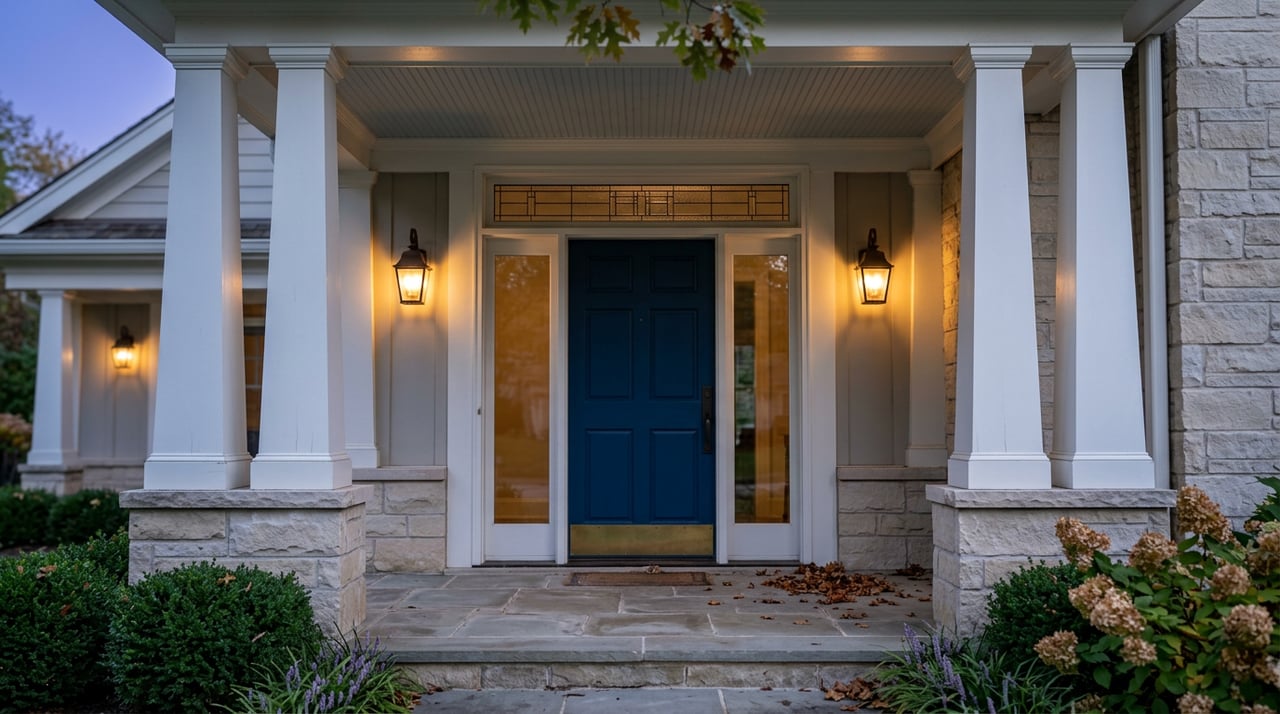
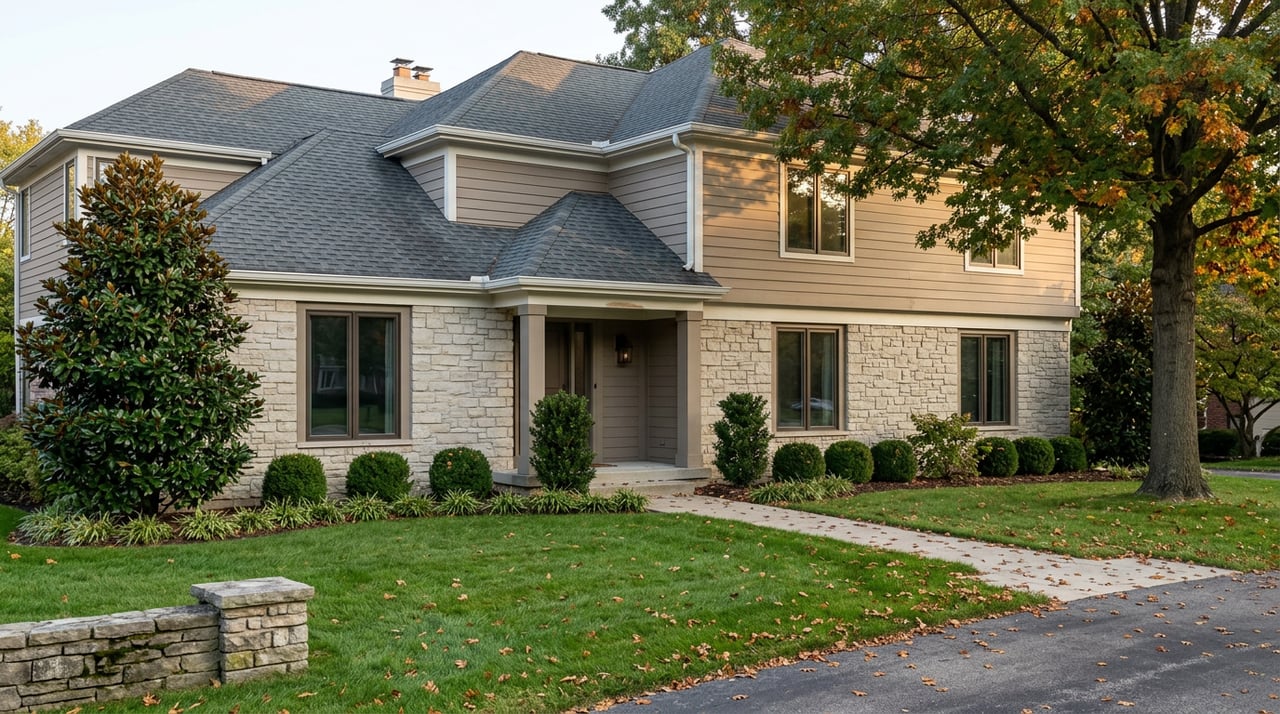
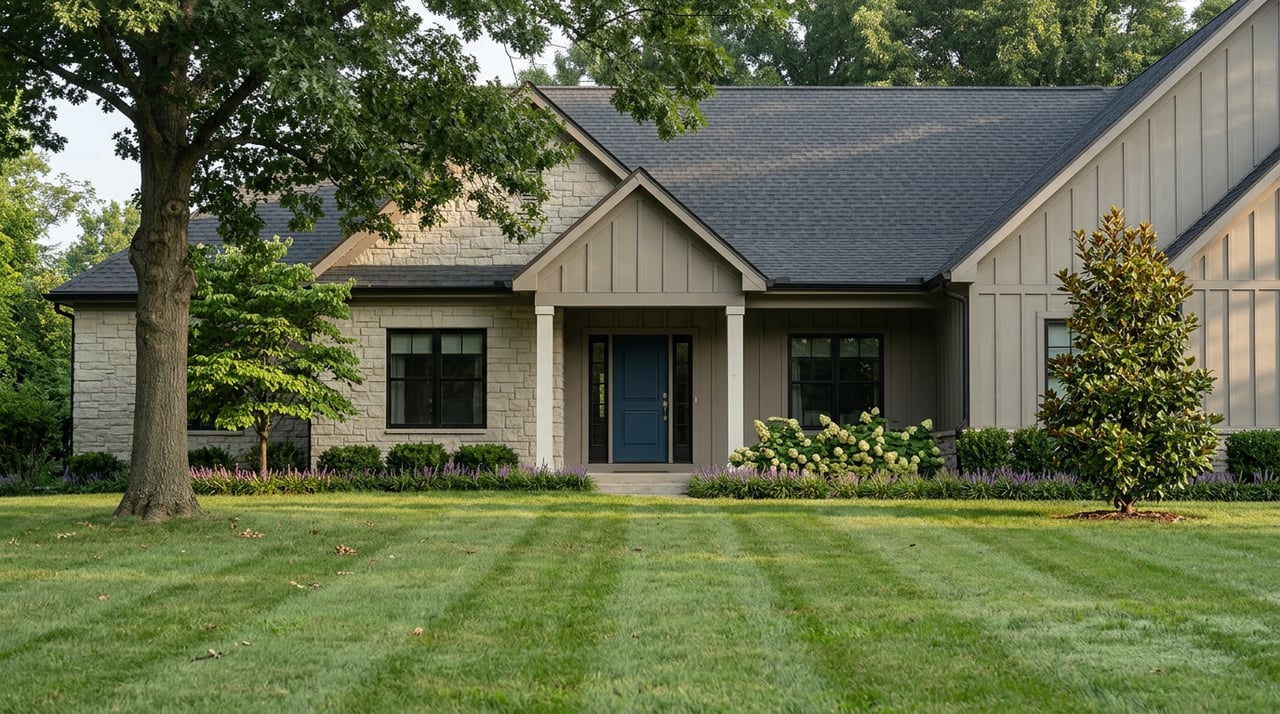
Oak Hill does not have a one-size-fits-all housing stock. Local reporting describes a mix of homes built mainly in the 1950s and 1960s, especially ranch-style houses, along with Federal, Colonial, and newer estate-style construction. In practical terms, you may see older ranch homes on generous lots, established traditional residences, and newer custom homes in the same area.
That mix makes sense when you look at the city’s history. The Oak Hill history page notes that the area saw a major homebuilding boom after World War II and was incorporated in 1952 to preserve its residential character. That history helps explain why mid-century homes and newer luxury infill exist side by side.
For you as a buyer, this variety creates options. You may find a move-in-ready newer home, a traditional estate property, or an older house with renovation potential. Still, in Oak Hill, potential depends heavily on the lot and local regulations, not just the house.
Why the lot matters so much
In many neighborhoods, buyers focus first on the interior. In Oak Hill, the land deserves equal attention. The city has six single-family residential zones, with minimum lot sizes ranging from 10,000 square feet to 4 acres, plus rules for setbacks, lot coverage, and height.
That means two homes with similar square footage can offer very different long-term possibilities. One lot may allow easier outdoor upgrades or additions, while another may have tighter constraints. If you are thinking about a pool, garage expansion, guest space, or driveway changes, zoning and lot conditions should be part of your early review.
Larger yard spaces and estate-style parcels are common parts of the Oak Hill experience. That can be a huge benefit if you value privacy, mature landscaping, and outdoor living. It also means more maintenance, more systems to understand, and more due diligence before you buy.
Slope and topography can change everything
Topography is one of the biggest practical issues in Oak Hill. The city says several areas have slopes above 15 percent, and steep-slope rules can require special review. Depending on the site, the city may require a site plan, drainage and tree-cover details, and geotechnical certification.
On some steep parcels, development may also be limited. In certain cases, the rules can require at least 2 acres per parcel and limit development to 10 percent of the lot. That is why a wooded hillside property may feel private and appealing at first glance but still need careful study before you move forward.
If a home sits on a sloped lot, ask practical questions early:
- How steep is the access driveway?
- Is grading already stabilized?
- Will retaining walls need repair or replacement?
- How does water move across the property?
- Are there reports on soil conditions or drainage?
These are not minor details in Oak Hill. They can affect usability, insurance considerations, future plans, and maintenance costs.
Trees and natural surroundings come with rules
Tree canopy is a defining part of Oak Hill’s look and feel. The city’s tree protection ordinance says trees are part of its bucolic character and seeks to minimize canopy loss. The ordinance can apply to new lots, new dwellings, additions, and other permit-triggering land disturbance.
For buyers, this matters because future clearing may be limited. If you are hoping to open up a backyard, change a driveway, or build an addition, tree preservation rules may affect what is realistic. A mature, wooded lot can be a beautiful asset, but it can also shape how you use the property over time.
There is also a practical side to owning a wooded lot. Oak Hill offers a monthly chipper service for branches and leaves, but residents must follow specific debris-size and placement rules. That may sound small, but services like this become more relevant when you own a property with heavy tree coverage.
Radnor Lake Impact Zone considerations
If a property is near Radnor Lake, it may fall within the Radnor Lake Impact Zone. In that overlay, the planning commission may require site plans showing driveways, drainage, erosion control, and tree-removal areas. The code also limits clearing to what is needed for the house site, driveways, turnarounds, and nearby landscaping.
The city also seeks to minimize ridgeline visibility and visible clearing from the lake or trails. This helps preserve the natural setting that makes the area so appealing. For you, it means the lot’s environmental context can directly affect design and improvement choices.
This is especially important if you are drawn to a secluded parcel or a home with a strong connection to natural surroundings. Before you buy, confirm whether the property falls inside this overlay and ask what that could mean for future plans.
Drainage and stormwater deserve a close look
Outdoor space is a major lifestyle benefit in Oak Hill, but it also brings maintenance responsibilities. The city’s stormwater guidance notes that runoff from roofs, driveways, and other hard surfaces flows directly into the stormwater system. It also warns that blocked ditches and culverts can back up and flood neighborhoods.
If you are buying a wooded or sloped property, drainage should be part of your due diligence. Ask whether ditches or culverts run through the lot, whether there have been runoff issues, and how stormwater is managed during heavy rain. A beautiful property can become much less enjoyable if water flow is not well controlled.
This is one of those areas where a careful inspection and site review can save you stress later. In Oak Hill, drainage is often connected to slope, tree coverage, hardscaping, and driveway design, so it helps to look at the property as a whole system.
Renovation potential is not automatic
Many buyers are attracted to Oak Hill because older homes may offer renovation opportunities. That can be true, especially with mid-century ranch homes on larger lots. But the city’s building and land rules mean you should never assume that every improvement idea will be simple to execute.
According to Oak Hill’s building code information, work that changes structures or landforms is subject to city requirements, and licensed contractors are required for most work. If the home has been renovated, it is smart to verify that the work was properly permitted and inspected.
You should also confirm whether a Certificate of Use and Occupancy was issued after completed work. The city notes that failing to obtain this paperwork can affect insurance coverage, delay a sale, and lead to fines. That makes permit history especially important when you are considering a property with additions, converted spaces, or substantial outdoor improvements.
A smart due diligence checklist for Oak Hill
Before you make an offer, try to confirm the basics that can influence your plans and costs. In Oak Hill, that often includes more than a standard home inspection.
Here are some key items to review:
- Confirm the property’s zoning and minimum lot size
- Check whether it is in a steep-slope area
- Check whether it falls in the Radnor Lake Impact Zone
- Ask for any existing survey or site plan
- Request any erosion-control, arborist, or geotechnical reports
- Review permit history for additions or major renovations
- Verify the Certificate of Use and Occupancy where applicable
- Ask how drainage, ditches, and culverts are handled on the lot
- Clarify whether future tree clearing or site changes may require approval
This is where local knowledge matters. In Oak Hill, the lot, the trees, the slope, and the drainage often matter as much as the home itself.
Buying Oak Hill with confidence
Oak Hill can be a great fit if you want a residential setting with privacy, natural surroundings, and convenient access to Nashville. It offers a distinctive combination of established homes, larger lots, and a close connection to outdoor space, especially near Radnor Lake.
At the same time, Oak Hill rewards careful buyers. If you understand the property’s zoning, overlays, topography, tree rules, and drainage conditions before you close, you are far more likely to make a decision that supports both your lifestyle and your long-term plans.
If you want thoughtful, neighborhood-focused guidance as you explore Oak Hill, Barbara Keith Payne offers the kind of experienced local insight that can help you evaluate not just the house, but the full property picture.
FAQs
What should you check before buying a home in Oak Hill?
- You should confirm zoning, lot size, permit history, drainage, and whether the property is affected by steep-slope rules or the Radnor Lake Impact Zone.
Why does lot topography matter when buying in Oak Hill?
- Topography matters because steep slopes can affect driveway design, drainage, retaining walls, future improvements, and whether extra city review is required.
Are all Oak Hill homes easy to renovate or expand?
- No. Renovation potential depends on the lot, slope, tree protection rules, overlays, and city permitting requirements.
What types of homes can you expect to find in Oak Hill?
- You can expect a mix of older ranch homes, established traditional residences, and newer custom or estate-style homes.
How does Radnor Lake affect Oak Hill homebuyers?
- Nearby access to Radnor Lake adds lifestyle appeal, and some properties near the lake may also fall within an overlay that affects clearing, drainage, driveways, and site design.