If you are buying in Green Hills, the map only tells part of the story. A home that looks wonderfully close to shopping, dining, and daily errands can feel very different once you factor in driveway access, turning patterns, and peak traffic on nearby corridors. When you understand how access works in this part of Nashville, you can make a smarter decision with fewer surprises after closing. Let’s dive in.
Why access matters in Green Hills
Green Hills has grown over time in a way that Metro says created many individual access points, separate parking areas, and disconnected circulation patterns. In practical terms, that means more turning movements and more conflict points along major commercial streets, especially during busy shopping periods.
For you as a buyer, that matters because convenience is not just about distance. It is also about how easy it is to enter and exit your street, whether your driveway feels safe and usable, and how nearby traffic affects your day-to-day routine.
Metro’s planning documents also note that access management can improve accessibility and create a more comfortable environment for people walking or biking. That broader goal shapes how streets and intersections in Green Hills may continue to change over time.
Key Green Hills corridors to watch
Hillsboro Pike drives the area
Hillsboro Pike is the main artery through Green Hills. Metro identifies it as a major route for travelers coming to and through the area, which helps explain why traffic conditions here can feel different from one block to the next.
If a property fronts Hillsboro Pike or relies on it for every trip, pay close attention to how you enter and leave. A short drive on the map may still involve difficult turns, long signal waits, or heavy congestion during peak periods.
Abbott Martin Road and Richard Jones Road
Metro’s transportation planning discusses Abbott Martin Road and Richard Jones Road as part of a more effective street network east of Hillsboro Pike. The goal is to improve access and reduce turning pressure on the main corridor.
For buyers, this means side-street connectivity can be a major quality-of-life factor. Homes that benefit from better local circulation may offer easier everyday movement, even when they sit close to busy commercial areas.
Crestmoor Road and Glen Echo Road
Crestmoor Road and Glen Echo Road deserve a careful look because intersection patterns here are evolving. Metro considered realigning these intersections, and Nashville Department of Transportation and Multimodal Infrastructure has a capital project for Hillsboro Pike at Crestmoor Road that realigns Crestmoor to Glen Echo.
That is important if you are considering a home nearby. Current access may not remain exactly the same, so it is wise to study both present traffic patterns and active public projects before you write an offer.
Woodmont Boulevard pressure points
Woodmont Boulevard is another corridor to evaluate closely. Metro’s plan says congestion at the Hillsboro Pike and Woodmont signal can be addressed in part through turn restrictions and better connections among nearby streets and parking areas.
If your future routine depends on that intersection, test it in real time. A property can be beautifully located yet still feel less convenient if one key turn becomes the bottleneck for school runs, work commutes, or weekend errands.
Library and Hillsboro High area
Metro also identified the Green Hills Library and Hillsboro High School area as an opportunity for a more effective street grid. The plan discusses reducing turning movements on Hillsboro Pike and even considers redevelopment scenarios involving part of the library parking area.
That does not tell you whether a nearby home is a fit or not. It does tell you the area has been studied as a place where access and circulation could change, which makes advance due diligence especially valuable.
What to evaluate at the property
Driveway position and sight lines
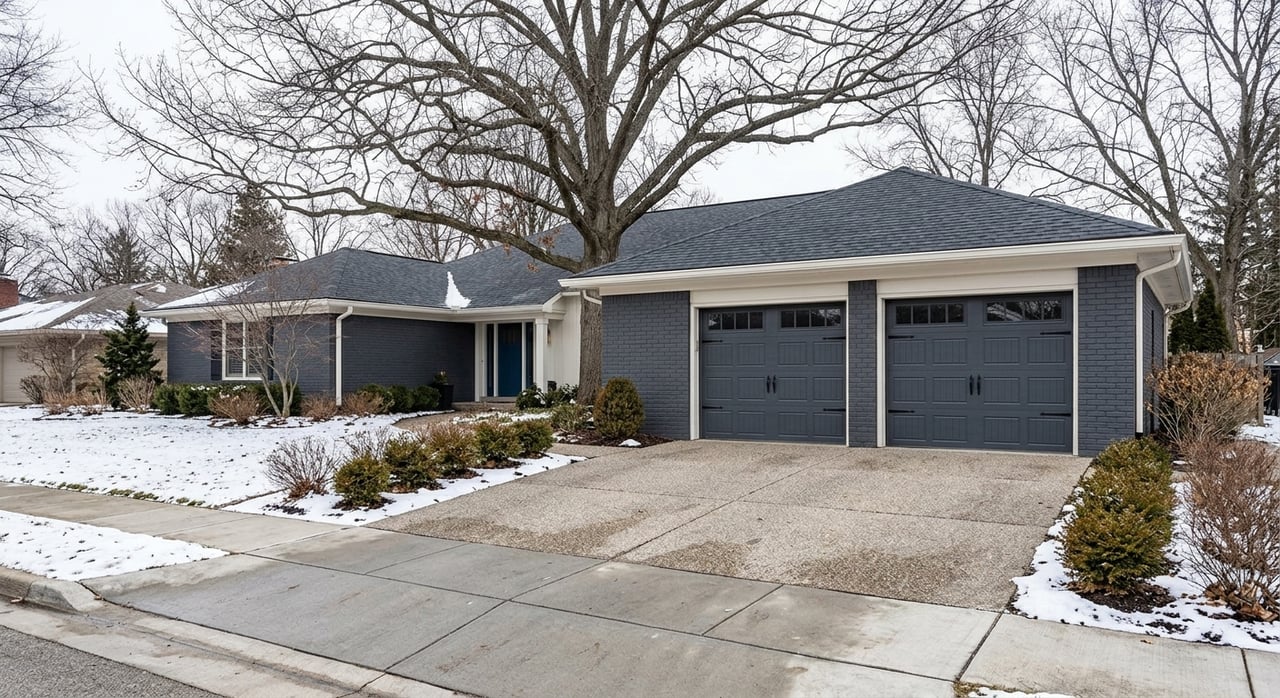
A driveway is easy to overlook during a showing, but it can shape your experience every single day. NDOT’s access-management guidance emphasizes issues like sight distance, driveway alignment, driveway throat length, and left-turn queueing.
In plain terms, you want to know whether you can see oncoming traffic clearly, whether your driveway lines up well with the street, and whether cars can stack on the property without backing into traffic. These details are especially important near busy corridors and retail clusters.
Curb cuts and shared access
Metro’s subdivision regulations try to minimize curb cuts on arterial and collector streets. The regulations also often expect shared driveways or private access drives where direct driveway access is allowed, and they prefer rear or side alley access where practical.
That framework offers a useful lens when you compare homes. In many cases, fewer access points and better internal circulation can translate into a simpler, more comfortable daily routine.
Parking flow around the home
Parking patterns near a property can affect more than convenience. Disconnected parking areas, frequent in-and-out movements, and nearby retail turnover may create extra traffic activity that is not obvious in a quick tour.
If the home sits near commercial uses, take time to observe how vehicles move through surrounding lots and side streets. A property tucked just off the main corridor may feel very different from one with direct exposure to constant turning movements.
How to test traffic before you buy
The best way to judge access in Green Hills is to experience it at the times when it matters most. Metro’s planning documents specifically note peak shopping impacts, so a mid-morning showing alone is not enough.
Use a practical field test before you commit:
- Visit on a weekday morning peak.
- Visit again on a weekday evening peak.
- Return during weekend retail hours.
- Drive both directions to and from the property.
- Practice the left turns you would make most often.
- Watch whether cars back up near the driveway or intersection.
- Note whether nearby streets seem to attract shortcut traffic.
This step often gives you clearer insight than a map or listing description ever could. It helps you evaluate how the property actually lives, not just how it photographs.
Neighborhood streets and cut-through traffic
Sometimes the challenge is not the main road itself. A home on a local street can still be affected if drivers use that street as a shortcut to avoid congestion on larger corridors.
If you notice that pattern, ask whether there have been traffic-calming applications, speed trailers, or ballot results for the block. Metro’s Neighborhood Street Traffic Calming Program is the local process designed to lower speeds and improve conditions for people who live along those streets.
That history can help you understand whether the issue is occasional or ongoing. It can also give you useful context about what neighbors and the city have already tried.
Future changes can affect daily life
Green Hills is not static. Metro’s community planning and corridor projects show that access patterns continue to evolve, especially around major intersections.
That does not mean change is negative. In many cases, planned improvements are intended to reduce turning conflicts, improve circulation, and make the area function better for everyone.
Still, if you are buying nearby, future roadway work can affect your timing and expectations. Before inspections, appraisal visits, or closing day, it is smart to check Metro road closures and TDOT SmartWay so you are not surprised by construction activity or temporary access changes.
If you want to change the driveway later
Some buyers assume driveway or curb changes are simple homeowner projects. In Davidson County, that is not always the case.
If you plan to add or modify a driveway or another feature in the right-of-way, NDOT requires permits through ePermits. The driveway permit category specifically covers residential and commercial driveway installation or maintenance, so it is worth verifying the permit path before you count on making changes after closing.
A smart Green Hills buying strategy
For many buyers, the most comfortable setup in Green Hills is a home that stays close enough to Hillsboro Pike and the retail core for convenience, but uses a quieter local street, shared access, or alley to reduce turning conflicts. That conclusion is consistent with the direction of Metro’s access-management and circulation planning.
That said, homes on busier corridors can still be excellent choices. You simply want to study driveway geometry, nearby parking patterns, intersection behavior, and corridor improvement plans with extra care before moving forward.
When you are buying in a neighborhood as established and dynamic as Green Hills, small access details can have a big impact on daily life. If you want a broker-led perspective on how one block, one corner, or one driveway may affect long-term livability, schedule a free consultation with Barbara Keith Payne.
FAQs
What should you check about traffic before buying a home in Green Hills?
- Visit the property during weekday morning and evening peak times, return during weekend retail hours, and test both directions of access so you can see how the home functions in real conditions.
Why does driveway design matter when buying in Green Hills?
- Driveway design affects sight distance, turning ease, stacking space, and safety, all of which can make a major difference if the home is near Hillsboro Pike or another busy street.
Which Green Hills roads deserve the closest attention from buyers?
- Hillsboro Pike, Abbott Martin Road, Richard Jones Road, Crestmoor Road, Glen Echo Road, and Woodmont Boulevard are all worth evaluating because Metro planning identifies them as important parts of the area’s access and circulation network.
Can you change a driveway after buying a home in Davidson County?
- Possibly, but you should verify the permit requirements first because NDOT requires permits for driveway work in the right-of-way.
What can you do if a Green Hills street feels like a cut-through?
- Ask about prior traffic-calming activity on the block, since Metro’s Neighborhood Street Traffic Calming Program is the local process used to address speeding and neighborhood street conditions.