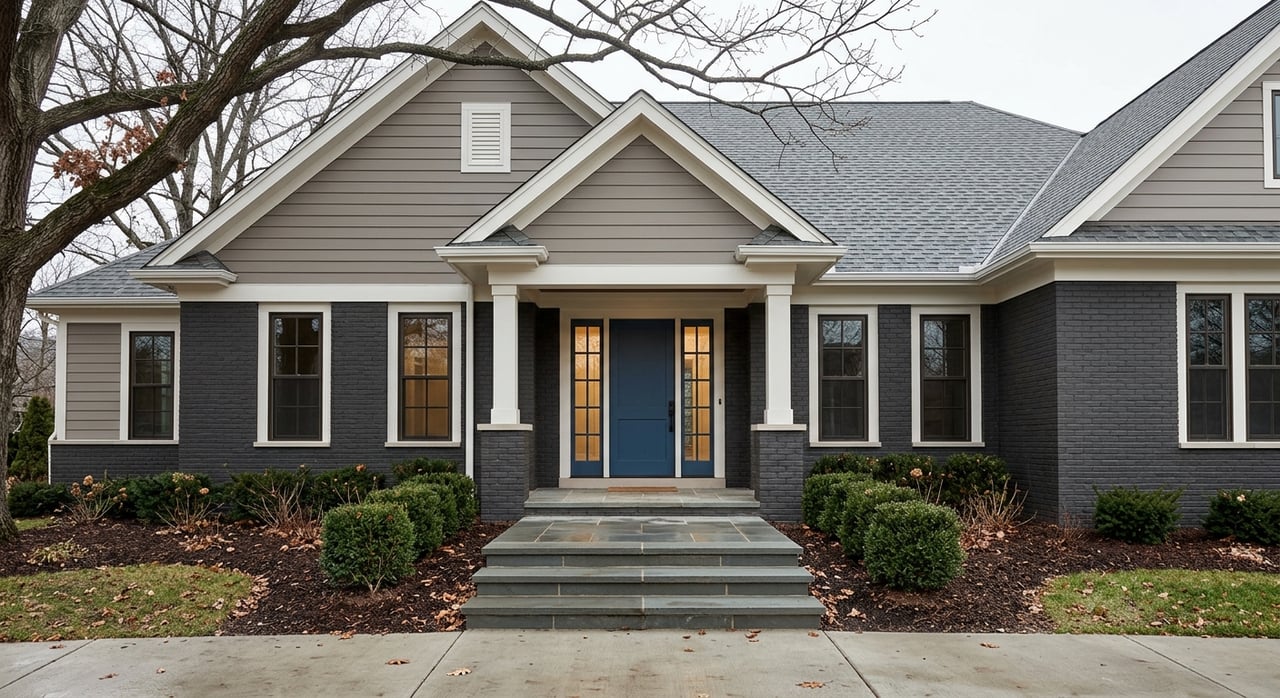
If you plan to sell a home in Belle Meade, preparation can shape both your first impression and your final result. In a market where buyers are often looking closely at condition, presentation, and overall stewardship, small details can carry real weight. The good news is that with the right timeline and a thoughtful plan, you can reduce stress and bring your home to market in a stronger position. Let’s dive in.
Why preparation matters in Belle Meade
Belle Meade is a small residential city of about 2,878 residents within 3.1 square miles. City materials describe it as a primarily residential community with rolling hills, mature trees, and a carefully maintained streetscape. That setting helps explain why exterior appearance, landscaping, and architectural consistency tend to matter so much when a home comes to market.
The pricing also reflects a high-value market. Zillow reported an average home value of $3,367,794 as of April 30, 2026, with 18 homes for sale and a median list price of $4,783,300. Realtor.com reported a median listing price of $6.5 million, 27 active listings, and a median of 42 days on market in May 2026.
For you as a seller, the takeaway is simple: buyers in Belle Meade are not only reacting to square footage and finishes. They are also evaluating how well the property has been maintained, how it sits on the lot, and how smoothly it can be shown and marketed.
Start earlier than you think
In Belle Meade, a 6- to 12-month runway is often a smart approach. That extra time gives you room to sort out repairs, staging, disclosures, and any city approvals that may affect improvements before the home is photographed or shown.
This matters because Belle Meade has local zoning oversight and a historic zoning and conservation overlay intended to preserve architectural character and regulate exterior design compatibility. The city advises residents to contact the Planning Department before beginning any building project, including interior renovations. If you are thinking about updates before listing, it is wise to confirm whether planning review, permits, or historic commission review may be needed.
Handle pre-list repairs carefully
Not every repair deserves the same attention, but unfinished work can distract buyers and invite negotiation. Before listing, focus on items that affect how your home looks, functions, and reads in photos.
A practical place to start includes:
- deferred maintenance that is easy to spot
- exterior paint touch-ups or entry refreshes
- worn hardware, lighting, or fixtures that make the home feel dated
- mechanical or system concerns you already know about
- cosmetic issues that make rooms feel less move-in ready
In Belle Meade, you should be especially careful with projects that change exterior appearance or involve construction activity. Even if the work seems straightforward, checking city requirements first can save time and prevent last-minute surprises.
Understand Tennessee disclosure rules
Tennessee law requires most sellers of residential property to provide a disclosure statement under the Residential Property Disclosure Act. According to the state health department, the disclosure should address items such as the property address and age, known defects or malfunctions, environmental hazards, flood or drainage issues, encroachments, and unpermitted work.
That means your preparation should include more than cleaning and staging. You should also gather records, make note of known issues, and organize documentation for completed work. When you are ready to list, having this information in order can make the process smoother and more credible.
Consider a pre-list inspection
A home inspection is not required by Tennessee law before selling. Still, the state notes that inspections help buyers understand the condition of major systems and can surface issues before they become negotiation points.
For many Belle Meade sellers, a pre-list inspection can be useful because it gives you more control over timing. Instead of reacting to findings after a buyer is emotionally invested but cautious, you can decide in advance what to repair, what to disclose, and what to price around.
Focus on curb appeal first
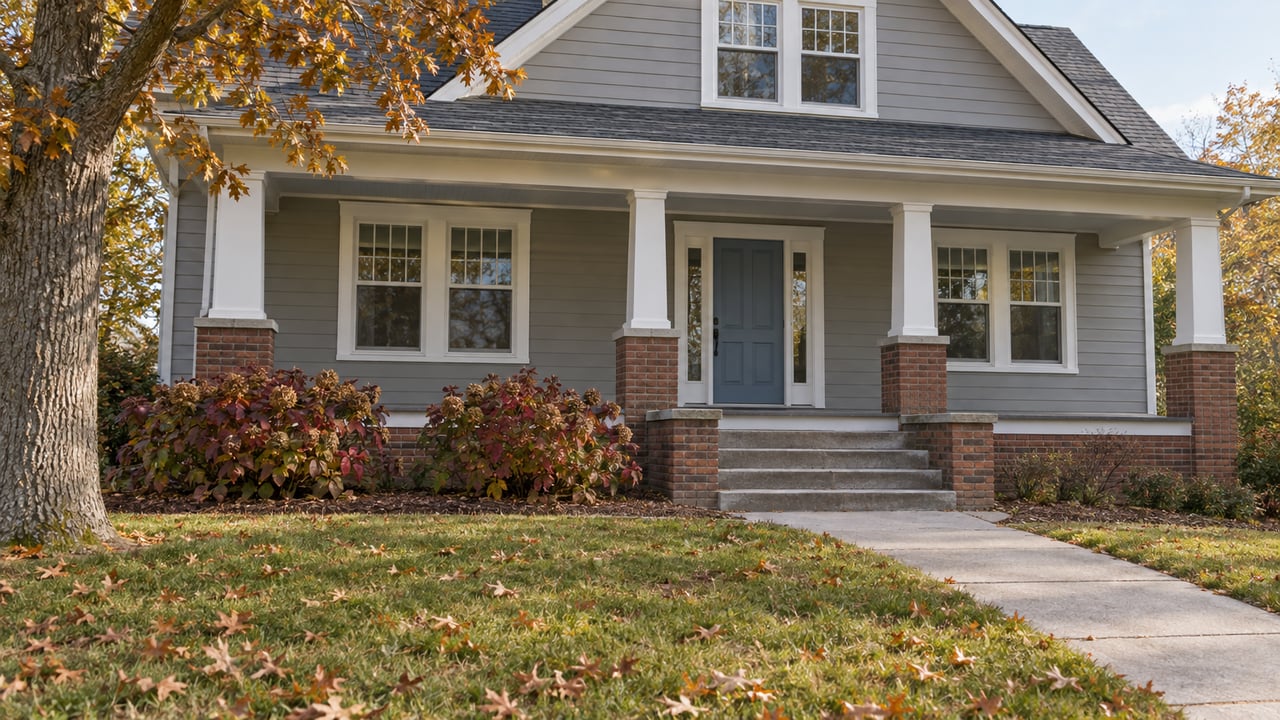
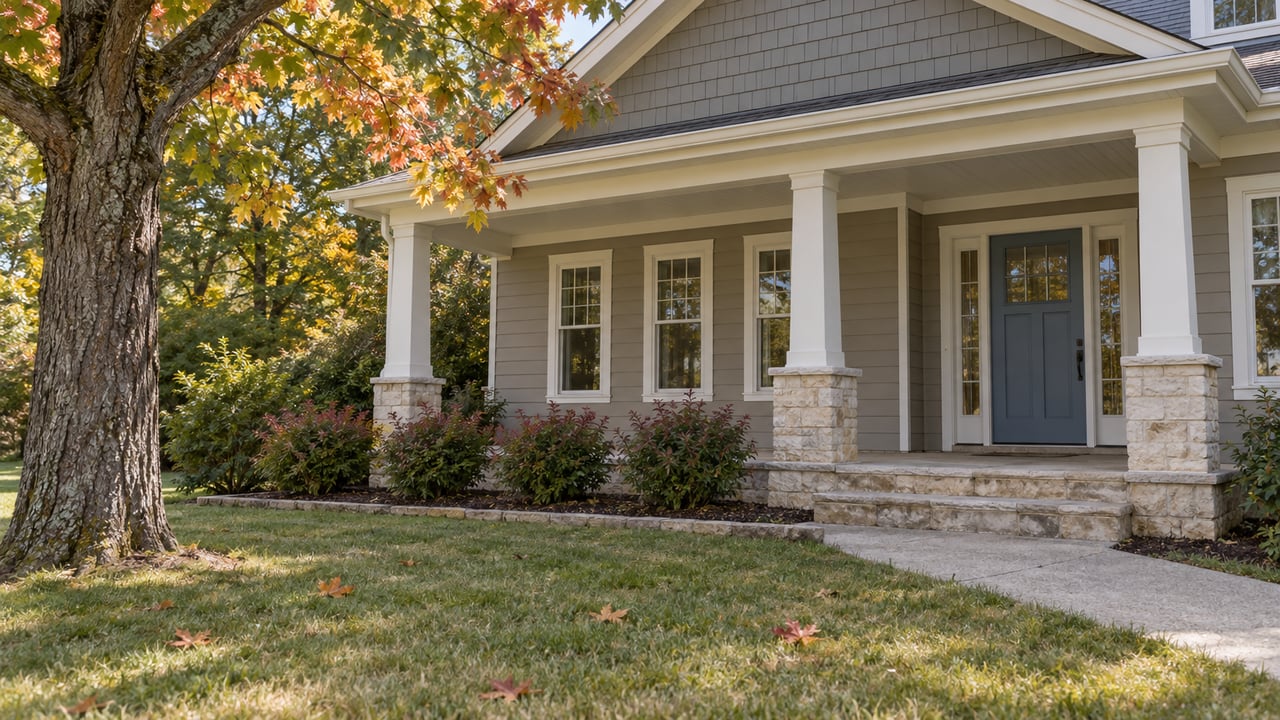
In Belle Meade, buyers often begin forming opinions before they ever step inside. The city’s emphasis on mature trees, architectural character, and residential appearance makes the front approach especially important.
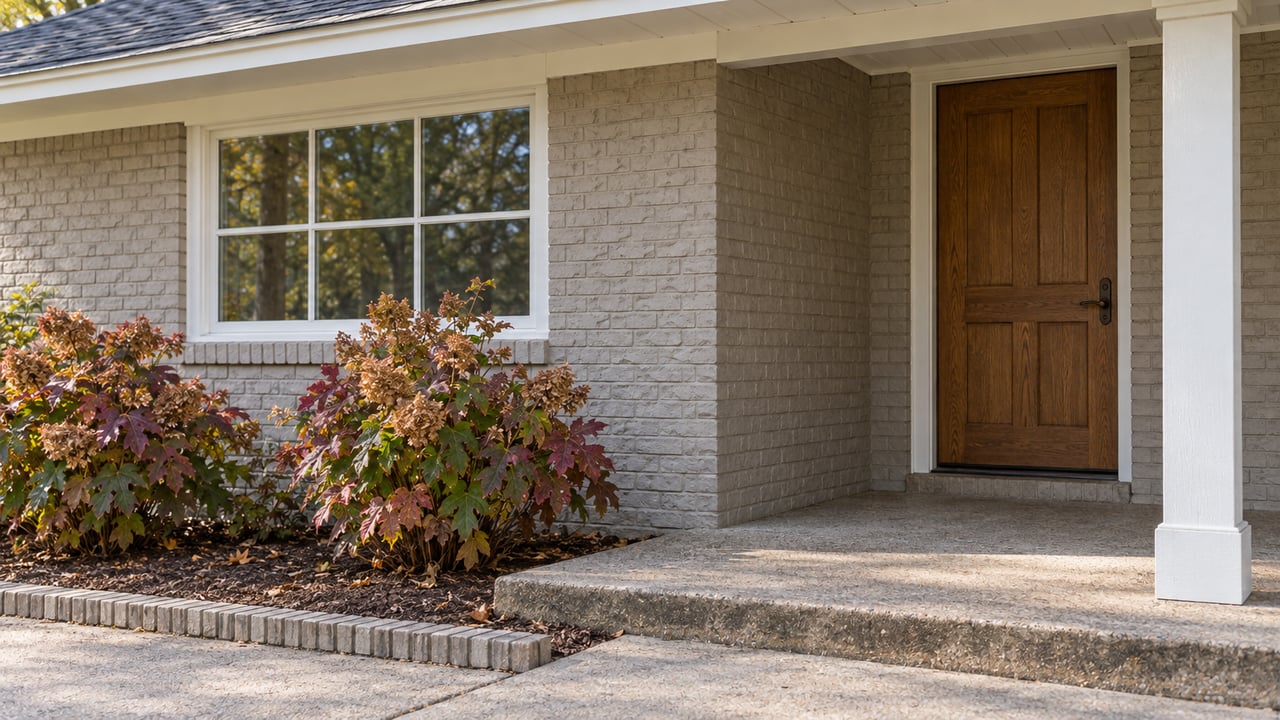
Start with the basics. Make sure the driveway, walkways, front door area, and planting beds look neat and intentional. Remove visual clutter like hoses, bins, pet items, or temporary storage that can distract from the home itself.
Your goal is not to make the exterior feel overdone. It is to make it feel calm, maintained, and consistent with the home’s architecture.
Be careful with tree work
Tree work deserves early attention in Belle Meade. The city’s tree ordinance says tree management standards apply to properties that pull a building or land-disturbance permit, and the city requires a tree removal permit before removing trees.
The permit application calls for arborist documentation and tree photographs, and the Building Official has authority to supervise work tied to the permit. If you think trimming or removing trees could improve curb appeal or open up sightlines, check the city rules first and plan ahead.
Stage by editing, not decorating
In a luxury market, staging works best when it helps buyers quickly understand a home’s scale, light, and function. In Belle Meade, that often means editing rather than adding.
Start by decluttering and depersonalizing each room. Remove excess furniture, simplify surfaces, and create clear pathways so the architecture and proportions are easy to read. If your home has large entertaining areas, guest suites, or expansive grounds, resist the urge to fill every corner. Space is part of the story.
A few staging priorities can make a strong difference:
- simplify entry areas and main living spaces
- reduce personal collections and highly specific decor
- make guest rooms and secondary spaces feel purposeful
- document recent maintenance and updates
- finish repairs before photography begins
The overall look should feel neutral, polished, and easy for buyers to picture themselves in.
Prepare for photography and showings
Once your home is close to market-ready, operational details matter almost as much as visuals. Belle Meade’s sign ordinance allows temporary real estate signs, but they cannot be placed in the public right-of-way, may not be illuminated, and may not exceed 8 square feet.
That local rule reinforces a bigger point about marketing in Belle Meade: presentation tends to be restrained and deliberate. You should not expect oversized signage to do the heavy lifting. Instead, success depends on strong listing preparation, high-quality photography, and coordinated showing logistics.
For showings, privacy and control matter. Consider:
- coordinated appointment windows
- keeping the home consistently photo-ready
- limiting unnecessary disruption to your routine
- securing personal and sensitive items before access begins
When a home shows smoothly, buyers can focus on the property rather than the process.
Plan estate sales early
If downsizing or estate planning is part of your move, build that timeline into your sale preparation. Belle Meade requires a permit for a garage or estate sale, allows no more than one sale at the same location in any calendar year, limits the sale to two days, and allows only one sign at the property under 8 square feet during the sale period.
That means an estate sale should not be treated as a last-minute cleanup tactic. If you think you may need one, schedule it deliberately so it supports your listing timeline rather than delaying it.
Think like a buyer
One of the best ways to prepare your Belle Meade home is to walk through it with fresh eyes. Buyers in this market are often looking for signs that a home has been carefully managed over time.
Ask yourself:
- Does the exterior feel orderly and well maintained?
- Do rooms feel spacious and easy to understand?
- Are known issues addressed or clearly documented?
- Is there anything that might raise questions during inspection or disclosure?
- Can the home be shown with minimal friction?
The more confidence your home creates, the easier it is for a buyer to focus on its strengths.
A successful sale starts before listing day
In Belle Meade, strong results usually come from thoughtful preparation, not rushed decisions. With multimillion-dollar pricing, local review requirements, and a streetscape where details stand out, sellers benefit from a plan that respects both timing and presentation.
If you give yourself enough runway to handle repairs, disclosures, landscaping, staging, and showing logistics, you will be in a much better position when your home officially hits the market. For tailored, broker-led guidance on selling in Belle Meade, schedule a free consultation with Barbara Keith Payne.
FAQs
How early should you prepare a Belle Meade home for sale?
- A 6- to 12-month timeline is often wise in Belle Meade because repairs, permits, planning review, tree work, and staging can all take time.
Do you need a pre-list inspection when selling a Belle Meade home?
- No. Tennessee does not require a pre-list inspection, but the state says inspections can help identify issues before they become negotiation points.
What should you disclose when selling a home in Tennessee?
- Most sellers must provide a residential property disclosure statement covering items such as known defects or malfunctions, environmental hazards, flood or drainage issues, encroachments, and unpermitted work.
Can you remove trees before listing a Belle Meade property?
- Possibly, but Belle Meade requires a tree removal permit before removing trees, and the application may require arborist documentation and photographs.
Are there rules for real estate signs in Belle Meade?
- Yes. Temporary real estate signs cannot be placed in the public right-of-way, may not be illuminated, and may not exceed 8 square feet.
Can you hold an estate sale before listing a Belle Meade house?
- Yes, but Belle Meade requires a permit, limits the sale to two days, allows no more than one sale at the same location per calendar year, and restricts signage at the property.