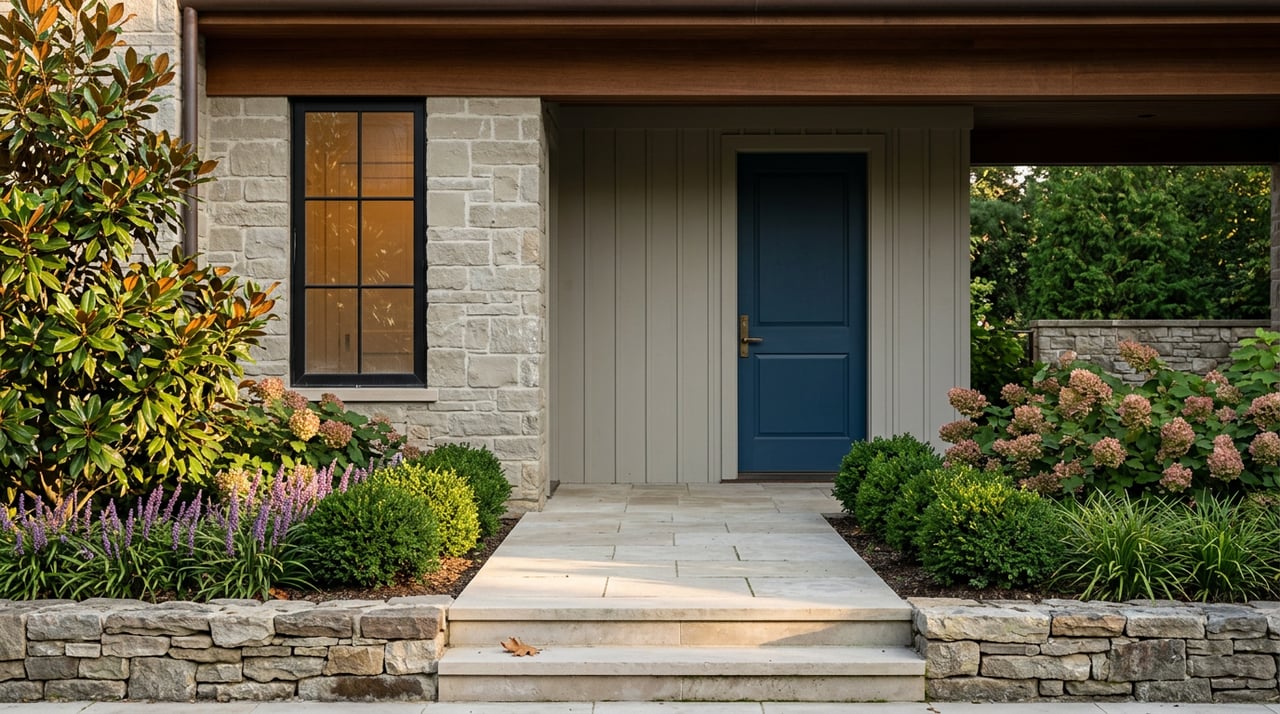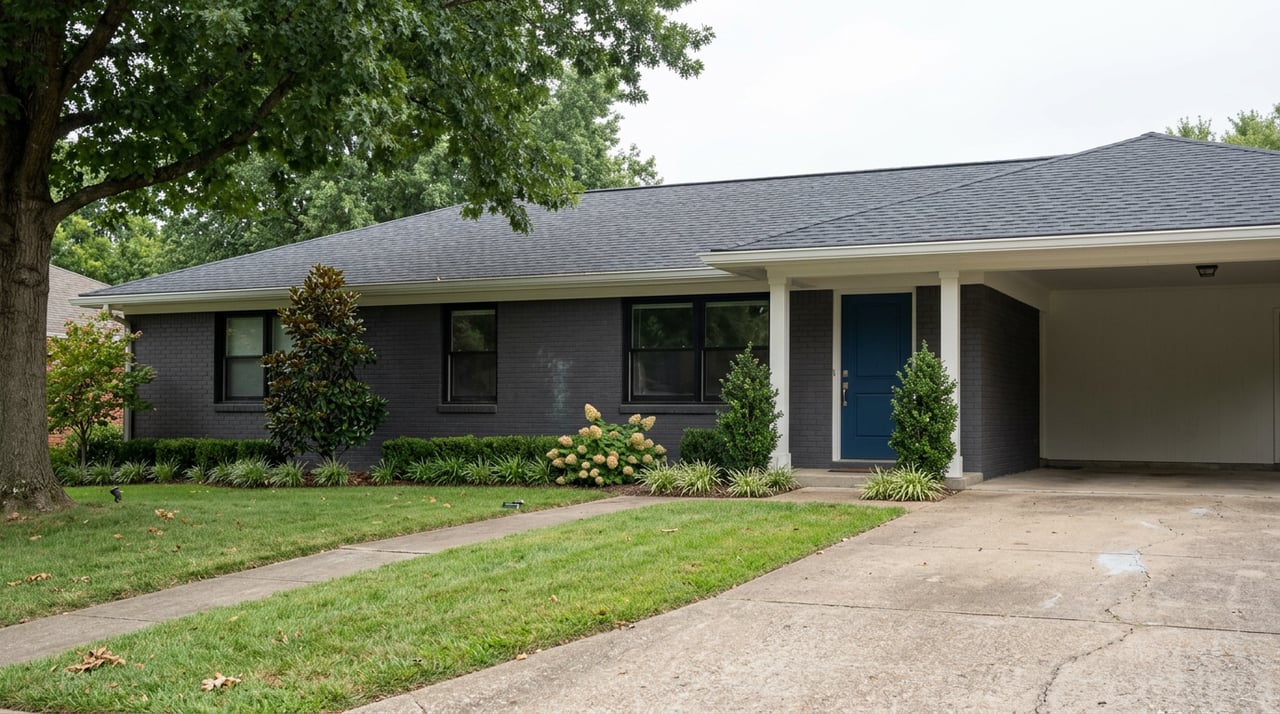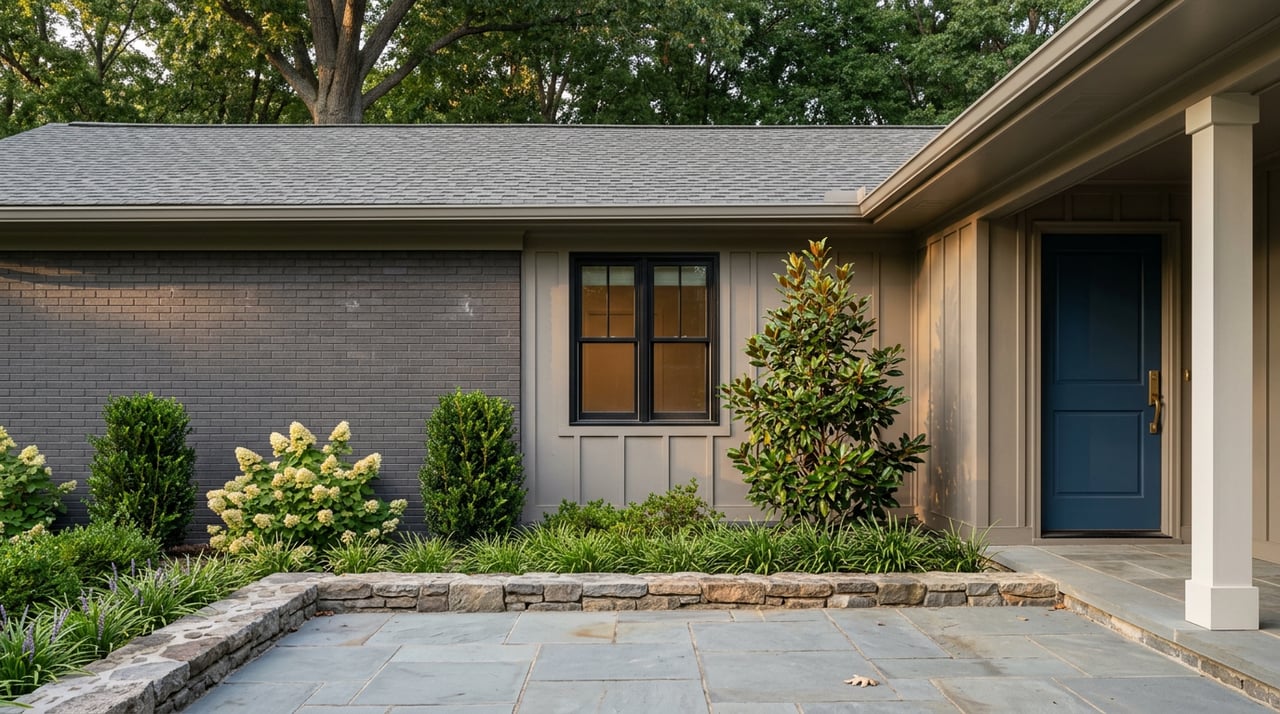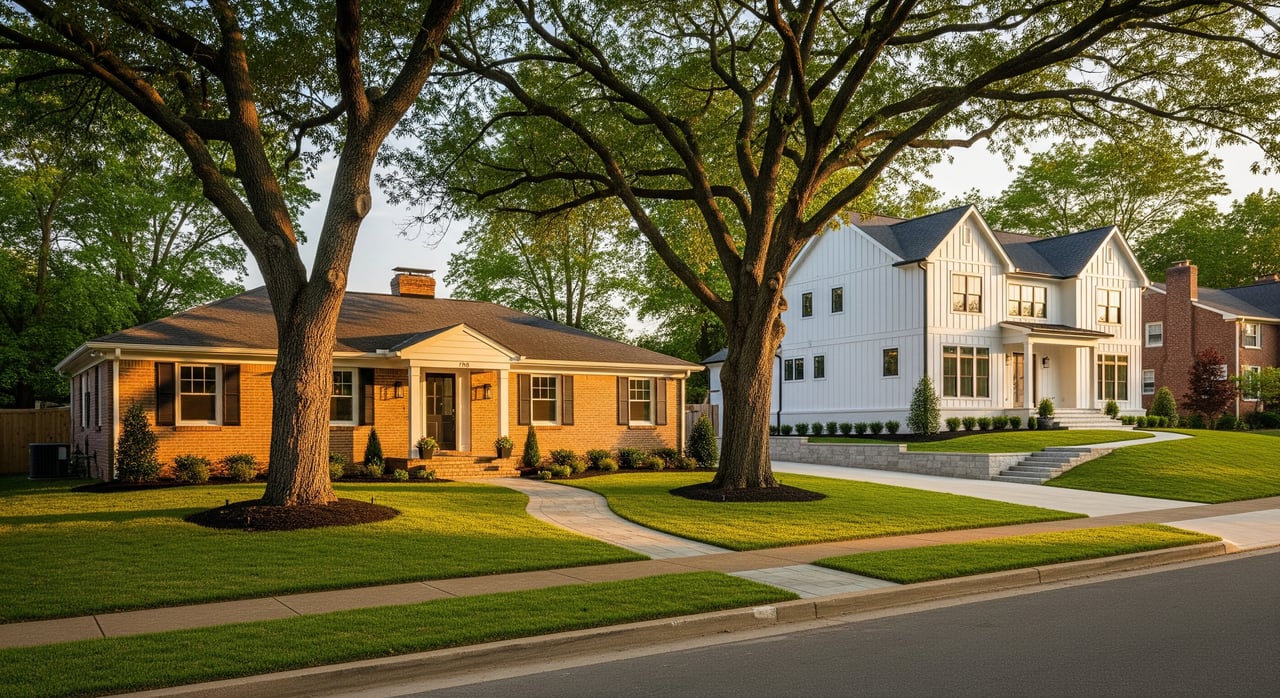
Torn between a shiny new build and the charm of a classic ranch in West Meade or nearby Hillwood? You are not alone. Many move-up families weigh space, energy bills, and timelines against lot size, privacy, and character. In this guide, you will learn how each option performs on the things that matter most: lot potential, renovation scope, efficiency, maintenance, permitting, costs, and resale considerations. Let’s dive in.
West Meade and Hillwood at a glance
West Meade and Hillwood in Davidson County are known for mid-century ranch homes on generous, often wooded lots. Many parcels have mature trees, irregular shapes, and gradual slopes that influence where and how you can build. The area sees active infill, so you will find both renovated ranches and larger two-story new builds. Always verify neighborhood boundaries and any neighborhood rules with Metro Nashville resources or your agent before you plan a project.
Lot size, setbacks, and buildability
Classic ranches typically sit to capture yard space and tree cover. That placement can be ideal if you want an addition or a second story, subject to zoning and structure.
New builds on infill lots often maximize square footage within setbacks and lot coverage limits. Before you assume you can expand or rebuild, confirm:
- Zoning, setbacks, allowed floor area, and lot coverage.
- Easements and utility locations, including sewer versus septic.
- Tree protection rules, stormwater requirements, and impervious surface limits.
- Access constraints that can affect foundation design and site layout.
Ask for a current plat, recent survey, and zoning details from Metro Nashville or your advisor early in the process.
Renovation potential of classic ranches
Mid-century ranches offer single-level living, plus façades and rooflines that can take a tasteful addition or even a second story. Your actual options depend on the structure.
- Foundation type matters. Slab, crawlspace, or basement conditions affect whether a second story is feasible without reinforcement.
- Roof framing and spans influence how easily you can open walls for a modern layout.
- Older materials and systems may require remediation or upgrades, including plumbing, wiring, or potential hazardous materials. Plan for contingencies.
Renovation can preserve lot character and mature trees, and permitting is often more straightforward than a teardown. A full remodel is still significant, so get a structural review if you are considering major changes.
What a new build offers
New construction can deliver a tailored floor plan and high-performance systems from day one. You can include modern windows, enhanced insulation, and right-sized HVAC for lower energy use.
Common features include air-source heat pumps, efficient duct design, smart thermostats, and mechanical ventilation where appropriate. Many builders provide a general one-year warranty and longer structural coverage depending on the builder. Ask about utility or state incentives for efficient equipment and certifications, and verify with local providers.
Energy efficiency side by side
A well-built new home usually outperforms an unrenovated ranch on heating and cooling costs. The envelope, windows, and ductwork are designed to current energy codes and best practices.
Older ranches can improve a lot with targeted upgrades. Air sealing, added insulation, HVAC replacement, and window improvements often yield meaningful savings. Start with a home energy audit that includes a blower door test, infrared scan, and HVAC assessment. If you plan new construction, request Manual J and Manual S calculations to size the HVAC correctly.
Maintenance and near-term costs
New construction has lower near-term maintenance because roof, systems, and appliances are new and covered by warranties. Long term, you will still maintain exterior finishes and landscaping.
Classic ranches can carry deferred maintenance. Roofing, gutters, drainage, HVAC, plumbing, and electrical may be approaching replacement. Mature trees add shade and beauty, but they can increase gutter cleaning and roof care. Thorough inspections, including a sewer scope and dedicated roof evaluation, are smart when you assess an older home.
Timeline and living logistics
Renovation timelines vary. Cosmetic updates can take weeks, while a full-gut renovation runs several months and may require you to relocate during parts of the work.
A teardown and new build usually takes longer. Permits, site prep, and construction often extend many months to a year or more, depending on the site, weather, and contractor availability. If you have school-year or commute constraints, build those into your plan.
Cost drivers to budget for
In West Meade and Hillwood, land value is a major factor. The economics of remodeling or rebuilding often start with what the lot is worth and what buyers in the area want.
Renovation costs hinge on scope, structural changes, systems replacement, finishes, and unknowns behind the walls. New build costs are driven by sitework and foundation, tree removal or preservation, permitting, labor and materials, utility connections, and finish levels. Financing differs too. Construction-to-permanent loans and draws follow a different timeline than a standard mortgage, so confirm your lending plan early.
Local permits and constraints to check early
Before you make an offer or set a schedule, confirm the approvals you need and any site limitations. Focus on:
- Zoning classification, permitted uses, height limits, setbacks, and lot coverage.
- Required permits for demolition, additions, and new builds.
- Tree and stormwater rules that may require mitigation or engineered controls.
- Historic overlays, neighborhood covenants, or deed restrictions that influence exterior changes.
- Utility capacity and service connections. Relocating lines can add cost and time.
In West Meade and Hillwood, mature trees, sloped terrain, and proximity to drainage ways often shape the buildable area. Some older parcels may still be on septic, which can limit expansion unless a sewer connection is feasible.
Decision framework for move-up families
Use this step-by-step approach to compare a classic ranch to a new build on a specific lot:
- Define priorities and constraints
- Must-have spaces, yard needs, commute and timeline.
- Budget range and contingency.
- Tolerance for disruption and construction risk.
- Confirm lot and regulatory feasibility
- Get the plat and zoning. Map setbacks, height, lot coverage, and buildable area.
- Identify easements, utilities, and any tree or impervious surface limits.
- Assess condition for an existing ranch
- Order a full inspection plus roof, HVAC, plumbing, and a sewer scope.
- Schedule an energy audit to target high-ROI upgrades.
- Obtain a structural review for planned additions or a second story.
- Build a cost comparison
- Price cosmetic, partial, and full-gut renovation paths.
- Price teardown plus new build, including site prep and landscaping.
- Add soft costs for design, permits, utilities, mitigation, and financing.
- Plan timeline and logistics
- Confirm permit lead times and contractor availability.
- Decide on temporary housing or phasing if renovating in place.
- Consider resale and long-term value
- Review comps for renovated ranches versus new builds nearby.
- Balance lot character and trees with total square footage and layout.
Property checklist for West Meade and Hillwood
Use this quick list when you evaluate a specific address:
- Parcel plat, survey, and legal description
- Zoning classification, allowed floor area, and lot coverage
- Tree locations and any protected specimens
- Home inspection, sewer scope, and roof inspection
- Energy audit or performance targets for a new build
- Preliminary contractor and architect estimates for both paths
- Permit, utility connection, and potential mitigation costs
- Construction timeline and temporary housing plan
- Neighborhood or covenant review
- Financing plan for conventional versus construction lending
Renovate or rebuild in this market?
Choose a renovation if you value single-level living, existing tree canopy, and a lower disruption path to a modernized home. A deep retrofit with smart layout updates can deliver comfort and efficiency without losing the character of the lot.
Choose a new build if you want a custom floor plan, multiple suites, a larger second story, and the highest efficiency baseline. Expect longer timelines and more approvals, especially on wooded or sloped lots. In both cases, local comps and recent infill trends help you judge future resale appeal.
How I help as your local advisor
As a veteran Nashville broker with deep experience in West Meade, Hillwood, and surrounding premium ZIPs, I guide you through each decision point. You get senior-level attention, local insights on infill norms, and a clear side-by-side of renovation versus new build on the exact lot you are considering.
From sourcing the right property and assembling the right professionals to negotiating terms that protect your timeline and budget, my role is to keep you informed and confident. If you are weighing a ranch remodel against a teardown, I will help you evaluate feasibility, costs, and long-term value with a calm, concierge approach.
Ready to compare your options on a specific property in West Meade or Hillwood? Reach out to Barbara Keith Payne to schedule a free consultation.
FAQs
Can I add a second story to a West Meade ranch?
- Possibly. It depends on foundation capacity, roof framing, zoning limits, and overall structure. A structural engineer and a zoning check are essential early steps.
Which is more energy efficient in West Meade: a new build or a renovated ranch?
- A well-executed new build generally offers higher efficiency, but targeted retrofits on a ranch can deliver substantial savings. Start with an energy audit to prioritize upgrades.
How long does a teardown and new build usually take in Hillwood?
- Timelines vary by site and contractor, but many projects take several months to a year or more including permitting. Weather and site complexity can extend schedules.
What inspections should I order for an older ranch in West Meade?
- A general home inspection plus roof, HVAC, plumbing, and a sewer scope are smart. Add a structural review for planned additions and an energy audit to target efficiency.
What local constraints most often affect buildability in West Meade and Hillwood?
- Mature trees, stormwater rules, sloped topography, and utility easements commonly shape the buildable envelope. Septic systems on older parcels can also limit expansion.